
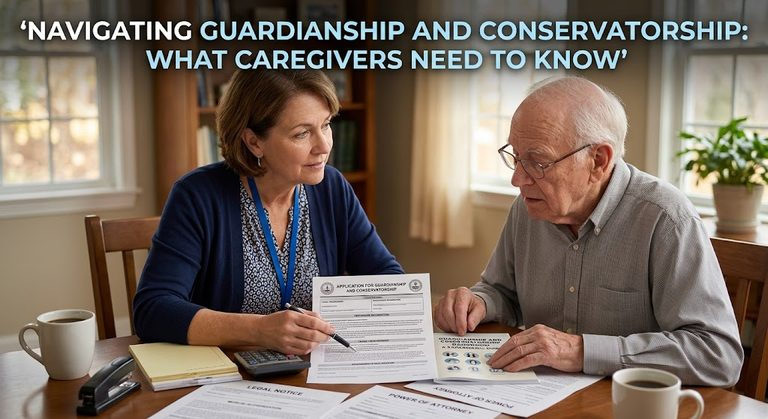
Caring for an aging parent, a spouse with progressing cognitive decline, or a person who is living with a disability requires profound empathy, and difficult legal decisions. When a loved one reaches a point where they can no longer safely manage their own medical, personal, or financial affairs, families often must step in to protect them. Two of the most common, yet frequently misunderstood, legal tools used in these situations are guardianship and conservatorship.
Navigating the complexities of long-term healthcare is a profound responsibility for any caregiver. Therefore, it is crucial to understand when these legal protections are necessary and the distinct benefits they can provide. You must also recognize the very real risks they pose to the individual, who is often referred to as the protected person, ward, or conservatee.
Understanding the Basics: Guardianship vs. Conservatorship
State laws dictate the specific terminology used, meaning it can vary significantly depending on where you live. Some jurisdictions even use the terms guardianship and conservatorship interchangeably. Ultimately, though, there is generally a distinct separation of powers between a guardian and a conservator.
A guardianship is typically established to manage the personal and medical care of an incapacitated individual. When a probate court appoints a legal guardian, that person is granted the authority to make critical life decisions on behalf of the “ward.” This often includes deciding where the individual will live (such as transitioning them safely from a home environment to a memory care facility), what medical treatments they will receive, and overseeing their daily physical well-being.
A conservatorship, on the other hand, is primarily focused on financial matters. The court appoints a conservator to manage the “conservatee’s” estate.This means the conservator has the legal authority to access bank accounts, pay daily bills, manage investments, collect Social Security benefits, and protect the individual’s assets from depletion or fraud.
In cases of severe cognitive decline, a court may grant both a guardianship and a conservatorship to ensure the individual is entirely protected on all fronts.
Why and When Are These Legal Protections Necessary?
Guardianship and conservatorship are considered legal measures of last resort. These should be utilized when an individual completely lacks the capacity to make safe, sound decisions for themselves. Also, this can only occur if no prior legal planning (like a Power of Attorney or a living trust) was established.
There are several common scenarios that precipitate the need for these arrangements:
- Progressive Cognitive Decline: This is perhaps the most common reason for older adults. As dementia progresses, individuals lose executive function, making them unable to understand medical advice, manage their medications, or recognize financial scams. When they can no longer grasp the consequences of their actions, legal intervention becomes necessary to prevent catastrophic outcomes.
- Sudden Incapacitation: A sudden medical crisis, such as a severe stroke or traumatic brain injury, can be life-altering. In an instant, an adult can be left entirely unable to communicate or make decisions. Frequently, these events happen before any prior legal planning, like a healthcare proxy or financial power of attorney, is established. When this occurs, families are forced to turn to the legal system for help. They must formally petition the court for guardianship and conservatorship just to authorize life-saving treatments and access funds to pay for medical bills.
- Adults with Developmental Disabilities: When a child with severe special needs turns eighteen, they legally become an adult with the right to make their own choices. However, if their cognitive abilities prevent them from safely navigating adulthood, parents often must petition for guardianship. This would be to continue managing their child’s healthcare, housing, and government benefits.
The Benefits: Why These Arrangements Are Essential
When less restrictive alternatives are unavailable or insufficient, court-appointed protections serve as a vital safety net. The primary benefits of these legal arrangements include:
- Protection from Financial Exploitation: As cognitive impairments progress, older adults often become highly vulnerable to financial exploitation. Predators, including scam artists and even distant relatives, frequently target them for theft or predatory lending. To stop this, a conservator can immediately step in to freeze compromised accounts and secure all assets. This swift legal intervention effectively shields the conservatee from enduring any further financial abuse.
- Ensuring Proper Medical and Personal Care: When a ward refuses necessary medical treatment due to paranoia or a lack of insight into their own condition, a guardian has the legal authority to authorize treatment. They have the ability to ensure the individual is placed in a safe, supervised living environment.
- Resolving Family Conflict: In situations where family members disagree emphatically about an aging parent’s care plan, the court process provides a definitive resolution. The court will appoint the most qualified individual (or sometimes a neutral third-party professional) to act in the best interest of the incapacitated person. This cutting through the family dysfunction.
- Fiduciary Duty: Guardians and conservators are legally bound by a fiduciary duty. This means they are required by law to act with loyalty, good faith, and always in the best interest of the protected person. They must submit regular reports to the court, providing a layer of oversight that informal caregiving arrangements lack.
The Drawbacks: How These Protections Pose Problems
Despite their protective intent, guardianships and conservatorships are extreme legal measures that strip individuals of their fundamental civil rights. The drawbacks and potential harm to the protected person are significant and must be weighed carefully.
Complete Loss of Autonomy and Civil Rights
The most profound problem with a full guardianship is the sheer loss of independence. When a court declares an individual incapacitated, that person is essentially stripped of their legal adulthood. The ward may lose the right to vote, the right to marry, the right to decide where they live, the right to drive, and the right to choose their own doctors. For an older adult who is simply experiencing mild cognitive impairment, having a stranger or a family member completely take over their life can be deeply humiliating and emotionally devastating.
The Risk of Fiduciary Abuse
While the court mandates annual reporting, probate courts are frequently understaffed and unable to rigorously audit every financial ledger submitted. This lack of strict oversight creates a dangerous loophole for fiduciary abuse. Unfortunately, there are numerous cases where appointed conservators – both family members and hired professionals – have mismanaged funds, charged exorbitant hourly fees to the estate, or outright embezzled money, leaving the vulnerable conservatee completely destitute.
Costly and Public Legal Proceedings
Establishing these legal arrangements is neither cheap nor private. The process requires hiring an elder law or disability attorney, paying court filing fees, covering the costs of court-appointed investigators, and potentially paying the ongoing fees of a professional conservator. Furthermore, because this is a judicial process, the details of the individual’s physical, mental, and financial decline become a matter of public record. Anyone can access these files, completely stripping the protected person of their privacy at their most vulnerable moment.
Difficulty in Reversing the Process
Once a person is placed under a guardianship or conservatorship, it is exceptionally difficult to reverse. If an individual recovers from a traumatic injury or learns to manage a mental health condition, they must go through another grueling, expensive legal battle to prove their competency to the court and win back their basic human rights.
Ultimately, while guardianship and conservatorship are sometimes unavoidable and necessary tools to protect the most vulnerable among us, they should never be entered into lightly. Caregivers should always proactively explore less restrictive alternatives – such as executing a durable Power of Attorney, establishing a revocable living trust, or setting up supported decision-making agreements – while their loved one still has the capacity to participate in the planning of their own future.

Welcome to Eccentric Aging. My name is Heather, and I created this platform to offer free direct, reliable support to caregivers and aging adults navigating complex long-term care needs. With over 25 years of professional experience in healthcare, I hold a Bachelor of Science in Gerontology and am a Certified Dementia Practitioner (CDP). Following the pandemic, I owned and operated a home care agency, gaining first-hand insight into the operational, financial, and emotional challenges of senior care delivery. Beyond my professional background, I have personally walked in your shoes as a caregiver. It can be overwhelming to care for a loved one, while managing your own aging journey.
Leave a Reply